


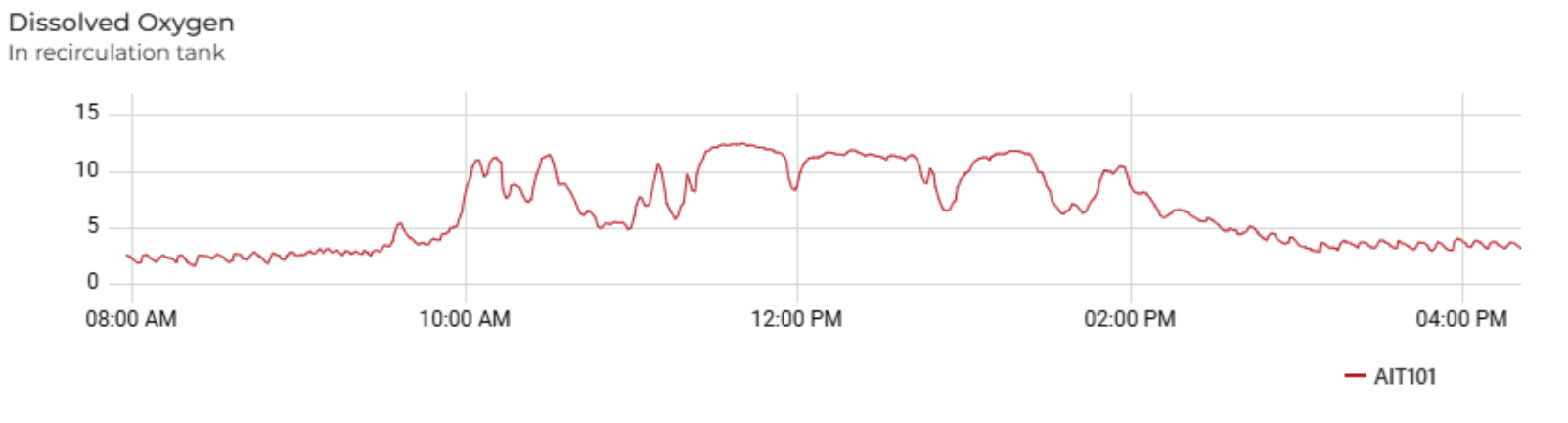
Fig. 1 Dissolved Oxygen (DO) recirculation tank measurement
When an engineer normally thinks about dissolved oxygen in wastewater treatment, they think of blowers. These are big, loud, energy intensive machines that push air into tanks to keep activated sludge happy. This aeration process is the single largest energy consumer, often accounting for 45-75% of the total plant energy costs depending on the size and technology of a site. Needless to say, oxygen has a big price tag when it comes to the wastewater treatment sector.
However, algae has the ability to produce oxygen at a fraction of the cost, using nothing but a mechanism that has been around for billions of years. It is estimated that microalgae grow rapidly in controlled environments, sequestering carbon about 50 times faster than other terrestrial plants. Research has also shown that 1kg of cultivated algal biomass is able to remove approximately 1.83kg of CO2 from the atmosphere.
This is where the Algae Forest system comes in. Traditional algae cultivation methods such as open ponds or suspended photobioreactors come with challenges such as large footprint requirements, biomass separation, and difficulty controlling the culture conditions. The Algae Forest technology irrigates the wastewater over cones and nutrients such as nitrogen and phosphorus along with CO2 from the atmosphere are absorbed by the biofilm that forms. The treated effluent produced requires 80% less energy for aeration than conventional treatment technologies for ammonia and BOD removal.
The Bigger Picture
When you take a step back, what algae really teaches us about oxygen is a lesson on assumptions. We have accepted for decades that aeration must be energy-intensive because that is how we have always done it. We have built treatment plants around the premise that dissolving oxygen into water requires constant mechanical work and substantial energy usage. But as we have discussed, nature offers a different way. By harnessing biology in an innovative, practical, and reliable mechanism, a scalable and modern solution arises. As we face increasing pressure to reduce nutrient discharges as well as energy consumption and lower carbon footprints, perhaps it is time to let algae teach us a few lessons. The oxygen produced by this incredible organism is not just dissolved gas, but it is also a reminder that the best solutions often come from working with nature, not against it.
Thank you for taking the time to learn a little bit about how we have harnessed the power of algae! Please reach out to us to schedule a call if you are interested in learning more about how algae can help increase your nutrient removal capacity AND reduce your aeration costs.